When there’s a Monmouth County fire, police pursuit snarls traffic on Route 35, or during a flash flood in the barrier islands, Jersey Coast Emergency News typically gets there first. To many of New Jersey’s coastal residents, in fact, this volunteer-operated page isn’t just helpful, it’s essential. From weather advisories to breaking news, missing persons, and public safety, Jersey Coast Emergency News has grown from a niche social media website to one of the region’s top local alert services.
Based on the need for fast, accurate, and trustworthy information, this website fills an enormous gap in public safety and local journalism. Whether a year-round resident of Ocean County, or a summer tourist at the Jersey Shore, or just someone trying to avoid traffic congestion, Jersey Coast Emergency News (JCEN) is your emergency lifeline in real time.
What Is Jersey Coast Emergency News?
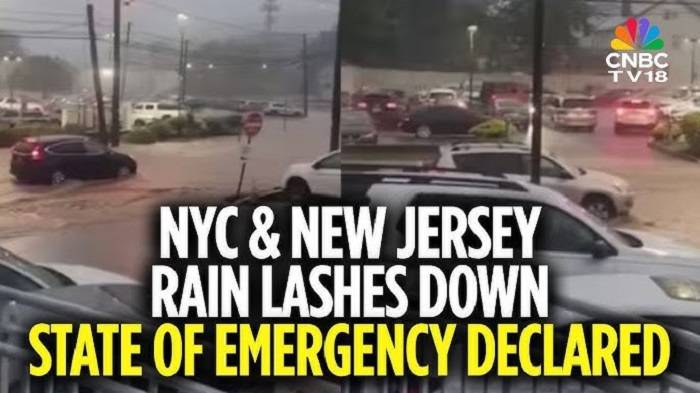
Jersey Coast Emergency News is an online-first, breaking emergency news website that posts confirmed accounts of ongoing incidents in Monmouth, Ocean, and surrounding coastal counties of New Jersey. It is mostly present on Facebook and Instagram, where it quickly posts short descriptions of fires, police activity, traffic shutdowns, natural disasters, missing persons, and public alerts.
Unlike all other news sources, JCEN is fast, visual, and real-time. It’s driven by a combination of community input, scanner talk, confirmed emergency alerts, and first-responder local affiliations.
In short: It’s the Jersey Shore’s breaking emergency news hub, 24/7 in your pocket.
Why People Trust Jersey Coast Emergency News
In an era where news gets dumbed down or takes a while, JCEN has established itself with haste and credibility. They always report based on facts and not rumor or hearsay. Instead, each post is backed by real-time scanner reports. Also with confirmation by surrounding departments, or eyewitness accounts with visual confirmation.
Their stories are concise, accurate, and highly visual. They often have aerial drone video, on-the-scene photos, or short video clips. Which are taken minutes after the incident occurs.
The website is also free of political bias or sensationalized headlines. The tone is straightforward and informative, which is credible and professional although it is not being released through a conventional newsroom.
Major Types of Coverage Offered by Jersey Coast Emergency News
- Emergency Incidents: Building fires, car crashes, missing persons, water rescues, hazmat incidents, and multi-unit EMS activations.
- Weather Warnings: Coastal flooding alerts, nor’easters, tornado advisories, heat waves, wind advisories, snow storms, and hurricane advisories.
- Traffic & Roads: Roadblock highway shutdowns, Garden State Parkway or Route 18 car accidents, detours, and road-construction alerts.
- Police Activity: Police chases, criminal investigations, SWAT actions, and public safety notifications.
- Fire Department Response: From residential fires to brush fires in beachside wooded communities.
- Search & Rescue: Water rescue calls, missing swimmers, kayakers, or hikers in coastal nature preserves.
- Community Safety: Boil water alerts, power line disruption, gas leaks, power outages, shelter-in-place, and public safety notifications.
- Event Advisories: Advisory warnings for heavy traffic, beach evacuation, parade and fireworks traffic advisories.
Where Jersey Coast Emergency News Works
JCEN primarily includes the central and southern coast of New Jersey, but not exclusive to the following:
- Monmouth County: Asbury Park, Long Branch, Red Bank, Neptune, Freehold, Middletown
- Ocean County: Toms River, Point Pleasant, Seaside Heights, Lakewood, Brick Township, Lacey
- Atlantic County: Atlantic City, Galloway, Egg Harbor
- Southern Municipalities: Spills over into Cape May and nearby barrier islands in summer
Their geographical clustering is of special concern to year-round residents and millions of summer-season tourists who flock to these municipalities in summer.
Who Runs Jersey Coast Emergency News?
Jersey Coast Emergency News was founded by island residents who possess skills in emergency services, media, and technology. Even though they are not exactly a corporate newsroom, they’ve developed a solid volunteer and contributor network. Most of the updates come from a small team of digital monitors, scanner listeners, drone pilots, and on-scene photographers.
This decentralized operation allows them to be reactive, agile. It also attuned them to what is happening in the here and now. Their relationships with first responders, dispatch centers, and public safety personnel have become unshakeable. Their accounts are accurate and cooperative with local agencies.
How It Grew From a Small Page to a Shorewide News Force
Like most community-focused pages, Jersey Coast Emergency News started on Facebook—as a scanner page and then grew into a local breaking news site. It gained momentum during significant weather storms, including hurricanes and blizzards, where their live storm tracking and power outage maps were go-to sites.
Slowly, individuals began to mention JCEN whenever something happened—a warehouse fire or a lifeguard rescue, for example. Now, a few people call JCEN before they call 911. Just to make sure an accident has not been already reported.
The website has hundreds of thousands of subscribers across various social media platforms now. It is one of the most-shared sources of emergency information in the region.
Why Social Media Emergency News Succeeds So Well
Regular news lags behind in real time, especially with quickly developing emergencies. Television outlets such as statewide or local news, and the papers have to wait until after they are published. But with Facebook and Instagram, JCEN can post alerts minutes after scanner traffic or confirmation of an occurrence.
The visual orientation of such platforms, especially with live video, Reels, and photo carousels, enables easy consumption of information at first glance by followers. They can see that a fire is ongoing or streets are flooded and reach a decision on the spot. That model works well, especially in time-sensitive situations.
How the Community Engages with JC
Public conversation on JCEN messages is huge. Citizens reply with facts, pictures, or background. Family members ask for details. Businesses claim loss of authority. Public safety professionals occasionally weigh in to shoot down or verify information. This almost makes every message an open community bulletin board, monitored by civilians and professionals alike.
We often see a missing child post receive over 10,000 views in a matter of hours, leading to faster returns. This online-first, neighborhood-based initiative gives JCEN a focal point in local safety.
Weather Emergencies and Coastal Preparedness
In a region where flash flooding, nor’easters, and hurricanes can wreak havoc in the time it takes to read the newspaper, JCEN has been a reliable advance warning system. They give pre-storm briefing, evacuation notice, shelter sites, and road closure. Islanders routinely state that they get ready for storms from JCEN announcements before checking national forecasts.
A Tool for Summer Visitors and Tourism Safety
Jersey Shore has three times its winter population during the summer. There are numerous visitors who know nothing about local roads, emergency responders, or beach hazards. JCEN fills this information gap through real-time situational intelligence regarding rip currents, traffic, beach closure, or fireworks safety. For tourists and short-stay renters, JCEN may be their ready source of situational intelligence.
Drone Coverage and On-Site Visual Reporting
One of the things that sets JCEN apart from text-based news sources is drone video. The fires, wrecks, and flood zones are all captured regularly from the air—giving followers a bird’s-eye view of an event. It also helps authorities map damage or track out affected zones. It’s media innovation at a hyperlocal level.
Missing Persons and Silver Alerts
When elderly missing citizens or missing children are reported, JCEN’s rapid share network mobilizes hundreds within minutes. The messages sometimes include photos, last known addresses, and vehicle information, picking up results faster than the formal Amber Alert systems in many cases.
Public Trust and Civic Engagement
Since JCEN stories are editorializing- and clickbait-free, they’ve built trust across politics and age. They benefit both younger, natively digital citizens and older voters. Two-way trust assists in building civic engagement, readers go to meetings, sign petitions, or donate to GoFundMes after learning of a cause through JCEN.
Not Just Breaking News But Community Connection
Along with emergencies, Jersey Coast Emergency News reports on feel-good local news, fundraisers for the community, new business promotions, and community hero spotlights. They help coordinate community cleanup efforts and the occasional highlight on EMTs, firemen, and police officers that are making a positive difference.
They also sponsor mental health advocacy, alcohol recovery groups, and support groups for veterans, highlighting the softer but very much still necessary side of emergency services.
How to Follow Jersey Coast Emergency News
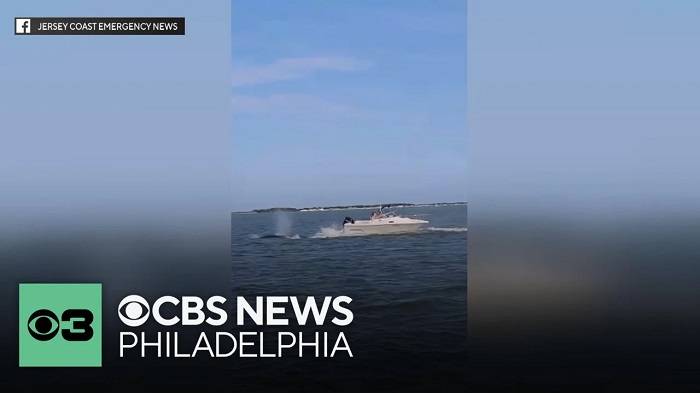
JCEN is available on:
- Facebook: Main page with full posts, photo albums, and live streams
- Instagram: Photos, Reels, and video clips
- YouTube: Drone video and story explainers
- Website (when up): Offers notifications, archives, and no ads for support members
The site is totally free, though they do have occasional donation drives to cover equipment, drone maintenance, and hosting.
Why Jersey Coast Emergency News Should Be Part of Your Daily Routine
If you’re heading out for a day at the beach, cruising on the Parkway, or patrolling your neighborhood at night, JCEN keeps you informed. It’s not news – it’s hyper-timely, need-to-know reporting enabling you to make decisions in real time.
If you’re tired of clickbait titles, delayed responses, or insensitive titles, Jersey Coast Emergency News gives you a direct shot to the truth on the ground, plain, verified, and community-focused.
While the media continues to change, websites like Jersey Coast Emergency News demonstrate that you do not need a skyscraper newsroom to be impactful. You simply need dedication, clarity, and community. JCEN offers all three.
It’s a reminder that the future of journalism is not necessarily all about slick anchors and expensive equipment. It’s sometimes a scanner, a smartphone, a drone, and some citizens who actually care about keeping people safe and informed.
So the next time you hear sirens, see smoke, or feel that weather change, check Jersey Coast Emergency News. It might be the difference between being totally surprised and being totally ready.